There are many things whose importance is being realised by us during the COVID-19 pandemic, one of them being the role of comedy or humour in combating the stress being caused by the pandemic. Laughter, as a physical reaction to human behaviour, is entwined into the fabric of our social interactions and mostly, it is derived from the monotonous life of the common man and his perception towards life.
The tragic part of this pandemic is that while we are still unable to impede the huge spike in the number of infection cases, we are also being compelled to put up with this reality alone (especially in India, where there is an element of uncertainty regarding whether we are being locked or unlocked). Being powerless, isolated and puzzled about the time scale and stride across the world of the pandemic, perhaps humour can be a sort of shared social signal of acceptance that can take command of our social interactions for a while.
With this introduction, let me recall some incidents that prompted me to write this article. A few days ago, one of my friends called me and asked me a question that left me quite perplexed, but at the same time, made me a bit nostalgic about my time in Belgium. The question was whether I was still watching the serial Taarak Mehta ka Oolta Chasma (TMKOC). The answer was yes. In the same way, one more incident inspired me to write about TMKOC. Recently, a man posted on Twitter how a scene from TMKOC brought a smile on his father’s face after he suffered a brain stroke (soon after the surgery, his father had asked him to put on TMKOC to watch).
One more clip that has gone viral these days is Episode 86 of Lapataganj (Season 1), in which the main characters talk about a contagious disease similar to the coronavirus. However, fear associated with the disease is being intermingled with a fine sense of humour. In the same sequence, the recent television rating came as a surprise. TMKOC has emerged as the number one show post lockdown. Its success can be attributed to its light-hearted entertainment and a humorous perspective, which constructs psychological distance that helps in diffusing stress of our daily lives.

Watching TMKOC, Laptaganj, Yes Boss or The Kapil Sharma Show during my meals or while having tea was my favourite job (rather it still is my favourite time pass), especially during the period when I was preparing for the civil services exam. Obviously, my stint with these satires was supposed to be for mere fun. At present, when I am facing a stressful time, both on personal (lockdown, isolation, long distance relationship etc) and professional (being a civil servant) fronts, I realise what these shows actually intend to deliver! Now, I also realise how I made my niece smile every day (as her school is closed and everyone is in sort of a prison) through TMKOC clips that I send her every day.
Away from the daily soaps dominated by countless and meaningless saas–bahu sagas, these shows extract laughs from day-to-day situations (especially those associated with the middle class) and don’t use double meanings or any inappropriate content. At the same time, without being preachy in their content, the virtues of universal moral codes of human behaviour are well portrayed through its characters. For example, if we look at our own life struggles through the lens of the problematic life of Jethalal, it enlightens us with some sort of coping mechanism (By the way, my father is very much impressed by him and he always says that, “जेठालाल बिना कुछ बोले ही हँसा देगा (Jethalal can make one laugh even without saying anything)”).
As I said earlier, compare the characters and content of these comedy shows to that of a majority of the saas-bahu melodramas that sought to establish that there are only two kinds of women in India — a sanskari bahu or a gold digger who is always conspiring against every other woman in the family. These series also show saas-bahu as always embroiled in a power struggle. Tell me where in real life do you see such characters? I mean, don’t the comedy shows (such as TMKOC, Lapataganj etc), rather than the saas-bahu sagas, represent the ideals that we as citizens of a diversified country should follow in which neighbours, despite their minor differences with us, live happily together?
Actually, this article is not about only these shows. It’s about all little things that make us smile while we are facing a stressful time during the COVID-19 pandemic. During this time, we are essentially dealing with two worlds — the inner world (which is full of all kinds of emotions such as anger, stress, anxiety etc.) and the outer world (which consists of society, family, friends and the people around us). Without putting this inner world into shape, we can’t sail through this phase of stress and anxiety.
Today, most people do not want to or don’t have to live their lives in a state of earnest dramatic contemplation of how dark our lives are. And, given that most of us are facing fear psychosis with maximum disruption to our daily social life, there is a constant need to de-stress and nothing can be a better mechanism than a dose of comedy. I still remember searching for best jokes on Google just to make someone special laugh (while being overwhelmed by the emotions of stress, anger etc.). Even if it is for a moment, when we laugh, we completely find ourselves in a world that is devoid of tension. Therefore, there is nothing surprising about the incidents I have mentioned in the beginning.
When we are exposed to negativity (infection, deaths, migrants’ crisis etc.) all around, it makes us dive deep into depressive episodes. With the recent spike in the number of COVID-19 cases and related deaths, the chances of our closed ones being exposed to the virus are even more. This can lead to a higher chance of a depressive downward spiral getting triggered. What kind of emotional filters can we use to prevent such negativity from triggering a depressive episode?
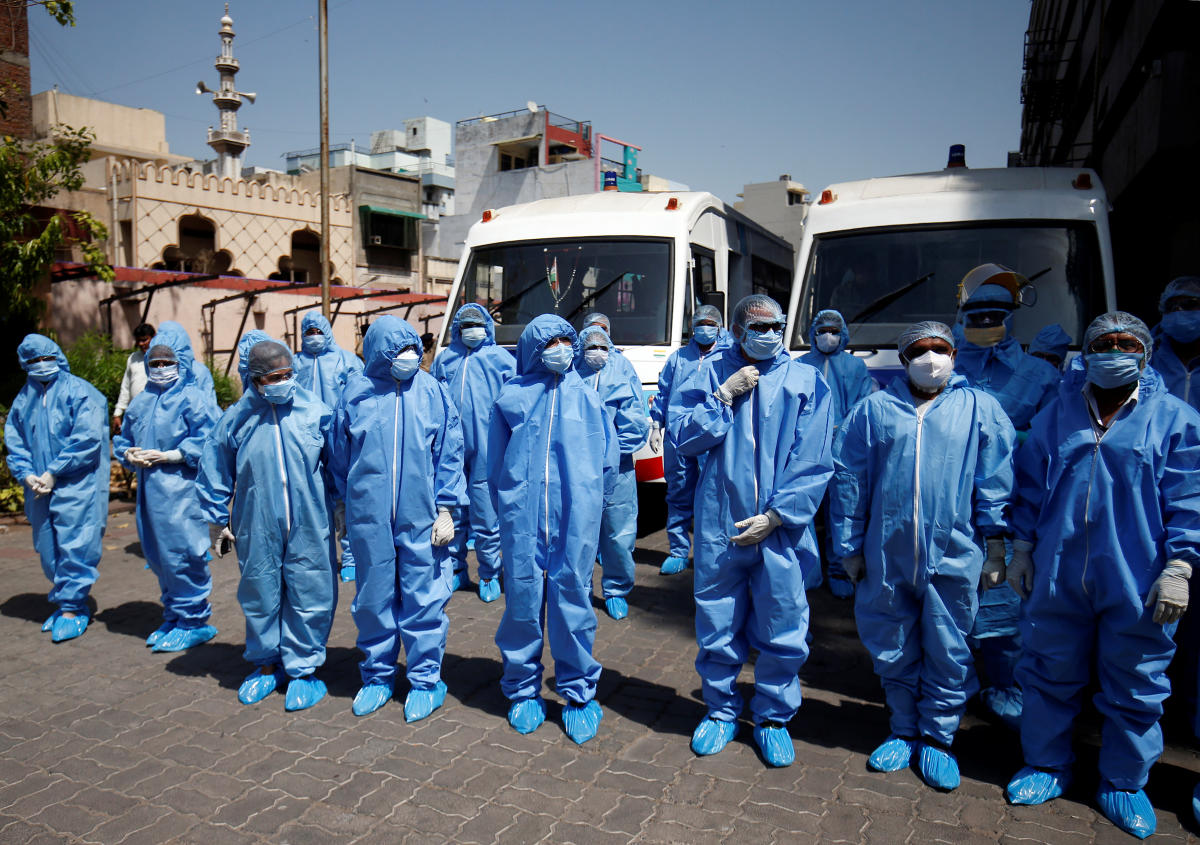
From the perspective of COVID-19, can visualising a negative event in a humorous light act as that sort of emotional filter? Are we falling short of coping strategies during this pandemic? To a certain extent, yes! COVID-19 has taken away many of our coping strategies such as travelling, outdoor sports, gatherings with friends and family etc.
Another dimension to consider is whether it is ethical to crack jokes on tragic moments? Someone might say an absolute No. But the reality is that even during the current situation (which is still ongoing and evolving), people haven’t stopped joking about it, and as a result, we have memes and funny videos are all over the internet, particularly social media. So why is this happening? Why is there no gap between the disaster and the humour created around the disaster?
There are many variables associated with the transformation of tragedy into laughter. As the emerging evidence suggest, there might be no early tapering off of the virus, and we have to learn to live with it. The tragedy can’t be the only consideration for our daily survival. Instead of feeling helpless about our situation, we need to change our internal feelings. And humour can play a big role in this change and give us a break from the horrifying reality around us.
If we look at the stimuli for humour, especially in the context of a tragedy, it will kindle laughter only when the threat is benign and perceived to be innocuous in the long term (although it can be physically or psychologically threatening in the short term). Just recall the familiar scenarios of witnessing a friend or colleague slip and fall on the road during rainy season or snowfall. At first, the event may induce concern, but the moment we come to know that they are unharmed, the incident is likely to evoke laughter. Similar is the case with the pandemic.
One of my friends never took corona seriously and used to joke about people taking immunity boosters (neem-tulsi-giloy juice, vitamin C tablets, milk-turmeric etc.). Recently, his brother got infected and subsequently, other family members also got infected. He became very concerned at the beginning and himself started taking the same immunity boosters. When his family members started recovering, his tone and words again became humorous. Once, he called me and asked: “कैसे हैं? अभी तक कोरोना नही हुआ आपको? जनता के बीच नही जा रहे क्या (How’re you? Have you not got corona yet? Are you not going to public places)?”
Obviously he is not praying for my ill-health. What I was trying to explain is that humour requires just the right dose of threat or tension. Accordingly, time also puts a psychological distance between us and the event, thereby creating the ideal balance between threat and safety in the recipe for humour. By this account, we are able to appreciate humour in tragic or devastating events after some delay, because time reduces the severity of the violation.
The continuation of the pandemic and the flooding of humorous content on it can be correlated in this regard. As it is now widely acknowledged that the pandemic is going to engulf the whole of the year 2020, my favourite meme was the one where someone very frustrated with corona knocks at the door of an astrologer with slippers to hit him (The astrologer had predicted that 2020 would be the best year!). Apart from the common memes and jokes, every aspect of our daily lives that has been disrupted by the pandemic is inviting humour.
For someone with wanderlust, this must the most testing and uncomfortable moment on their travelling space-time curve. The mechanisms that used to rejuvenate them and were a source of soul enrichment such as going on road trips, learning about new cultures and cuisines, exploring new places etc. seem far-fetched now, and the only memories that can be written on their travel diaries are that of the lockdown, social isolation etc.
However, people from travel communities are venting out their frustration on COVID-19 through humour — jungle safaris have been replaced by yard safaris now, city tours with tasting beverages and cuisines by a wine tasting tour in different rooms, origination of a new nomenclature for terminals/station codes such as LVG (Living Room), DNR (Dining Room) etc. Someone on social media recently put out a map for some weekend travel ideas. While we might get surprised by how these travel plans would be possible in this time, the image they had put was not of some beautiful destination, but rather, a poor plan of their apartment.
Similarly, regular office hours have also been disrupted to the extent that work-from-home (WFH) seems to be the new normal in this crisis. WFH is like a double-edged sword; while for some, it is a dream come true (when we are home, we seek/come across emotional encounters with our family members), but others might struggle to cope with this setup. For people staying alone at their workplace, their only source of emotional encounter before the lockdown was with their office colleagues. Now, there is no one for them to get emotional strings attached with. All their emotions have become virtual or digital.
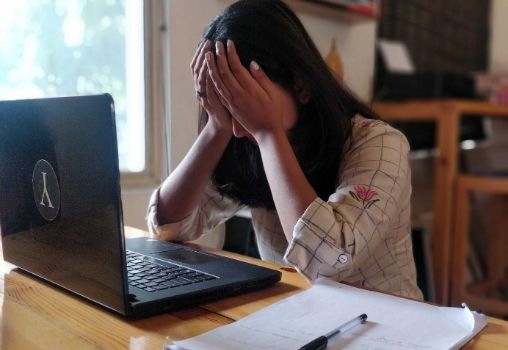
Regardless of which bucket someone falls in, we can all agree on one thing — we all are desperately crying out for a conduit. And one of those conduits is through the medium of humour. Today, we can really come across memes that can relate to all our feelings and allay our worries. Many of the memes on WFH are associated with household chores where the husband can be seen cutting onions, washing dishes, handling the kids etc. Work from home has become synonymous with work for home.
On the work front, when employees are under a lot of stress, it’s very easy for one person to lash out at a colleague or start an argument with them. Yet, saying something unexpected that is also funny can quickly diffuse the situation and allow us to get our point across without hurting others’ emotions. Thus, from the perspective of improving our overall morale, comedy has to become a part of the workplace’s DNA profile so that it becomes second essence to the employees. I will give few examples of this:
- Once one of my colleagues came for a review meeting in a T-shirt (it was not supposed to be a formal attire). Our boss scolded him by saying whether he had come for a meeting or buying vegetables from a market. He became tensed and started to introspect if the boss was right in reprimanding him for a small mistake. However, the next line just diffused the building tension in the room a bit when the boss said, “Don’t worry, if you don’t have a shirt, ask me. I have many and would lend you one. इसमें शरमाने वाली कोई बात नहीं है (There’s nothing to be shy about)”
- Once in a bank review meeting, our boss was discussing the progress of the Annual Credit Plan of banks, and was very angry at a particular bank for their large deviation from the target. After being reprimanded heavily, the bank representative said that it’s not as if that bank had done nothing, and talked about some other schemes where his performance had not been that bad. Again, the mood of the conference room got tense. What the boss said was: “बहुत अच्छी बात है। उसके लिए तो हमने आपका धन्यवाद किया ही है। और ज्यादा धन्यवाद चाहिए तो बोलिए फूल माला पहना देते हैं (That’s great news. We have already thanked you for this. If you want more, we shall thank you with a garland),” and he really asked for a garland. Rest you can guess.
- A few civil servants had lost their life while handling the arrival of migrants in the States of West Bengal and Bihar in the beginning of the coronavirus pandemic. I was handling their arrival in my district. A temporary set up had been made for food distribution, lodging, paperwork etc. At the same time, we knew that most of the migrants were coming from areas that were on the verge of entering community transmission. Also, in random sampling, almost one-fourth of them had turned out to be corona positive. So, there was also a fear psychosis among the staffs. One of the staff members was standing with his hands and face touching the bamboo poles of the tent, which were frequently touched by migrants while they were coming for enquiry. I said, “आपके मुँह में कोरोना वाइरस चला गया होगा (Coronavirus must have entered your body)।” He went away from that spot instantaneously. Reaching a distance where he thought no one would be watching him, we saw him rubbing his face and hands repeatedly with a traditional gamcha (a towel), which he was carrying with him. I gestured him to come and said, “अब पोच्छ्ने से क्या फायदा सर वाइरस तो गया अंदर (What is the point of wiping away the virus, sir. The virus must have entered your body by now)।” Everyone started laughing. This one moment of humour diffused the fear psychosis at least for a few hours, and in a theoretical way, distracted our mind away from the stress (or at least diffused the individual sense of fear) that was prevailing upon us while we were working there.

By the way, all these meetings took place during the COVID-19 pandemic, when most of the employees are being fearful of getting infected when they are on a field visit or managing the office. The above examples also show that by incorporating humour to the workplace, we learn how comic skills can translate to business skills. From the point of view of our boss also, putting up a laughing point can make the employees feel good (as per physiological explanation, brain releases endorphins when we laugh), and when you feel good, you can’t be angry.
At an individual level, a sense of humour can be a safeguard when it comes to stress management. We can find a way to laugh about our situation (whether past or present). For example, let’s be funny about the mask, which has become an essential element of our attire. The body part that is getting most of the stress while we wear a mask is our ear. With the faulty design of masks and their elastic loops (to keep your mask securely in place), they’re prone to causing irritation on the back of our ears. By the end of the year, do not get surprised if our ears resemble that of Aamir Khan’s in the film PK.
Also, ways in which people in India have discovered new ways of putting on masks have led to a whole new set of nomenclature such as “Kanask” (just hanging from the ear), “Nask” (just covering nose), “Muask” (just covering mouth), “Hanumask” (on the chin) etc. One of the staff members in my office has a unique mask. It covered either his nose or mouth at one time. I don’t know from where he bought it and why.
These all little things make us realise that although situation is very annoying and stressful, we can make it funny through such humorous interpretations. And there is nothing new in it. We can observe this in the standard category of jokes on all platforms — be it about relationships, family, sex, money, impotence, bowel movements etc. It can help us maintain a light-hearted point of view of the pandemic and find our own style of seeing the world in a different light.
The WHO has recently said that the coronavirus pandemic is the sort of disaster whose effects will last far into the future. Although the world’s knowledge about the new virus has advanced, many questions remain unanswered, and populations remain vulnerable. For example, multiple mutations of the virus may occur, sparking new infections. Thus, the pandemic is still in its evolutionary phase. Also, our response to it is still evolving as we are shifting gears from lock to unlock (complete lockdown in many States while some areas are getting unlocked gradually), from masked employees in offices to working from home etc.
Hence, being stressed about our situation can’t be an option at a time when the shock factor associated with the pandemic is also getting extended over a longer period of time. Given the factors earlier in the article, the shock factor has obviously reduced over time, compared to tragedies such as terror attacks. Another factor for the diminishing shock factor is high recovery rate and low fatality rate (the fatality from COVID-19 currently stands at 2.3% in India, as compared to the global average of about 4%).
Whatever laughing happenings that occurred in the beginning, such as “thali pito (beating plates”, “diya jalao (lighting lamps)”, “pushpa varsha (flower showers)” etc. — although all of them were supposed to be serious — what we definitely know is that COVID-19 is no laughing matter. I hope all of us understand that. But in order to keep our spirits up and bolster our resilience against COVID-19, we all certainly need a little humour in our lives. And it is very much reasonable to employ humour as a shield to confront the prevailing health crisis — it may even be a requisite for getting past this frustrating and anxiety-ridden time.
Comments
Post a Comment